Module 1
Targets & Indicators
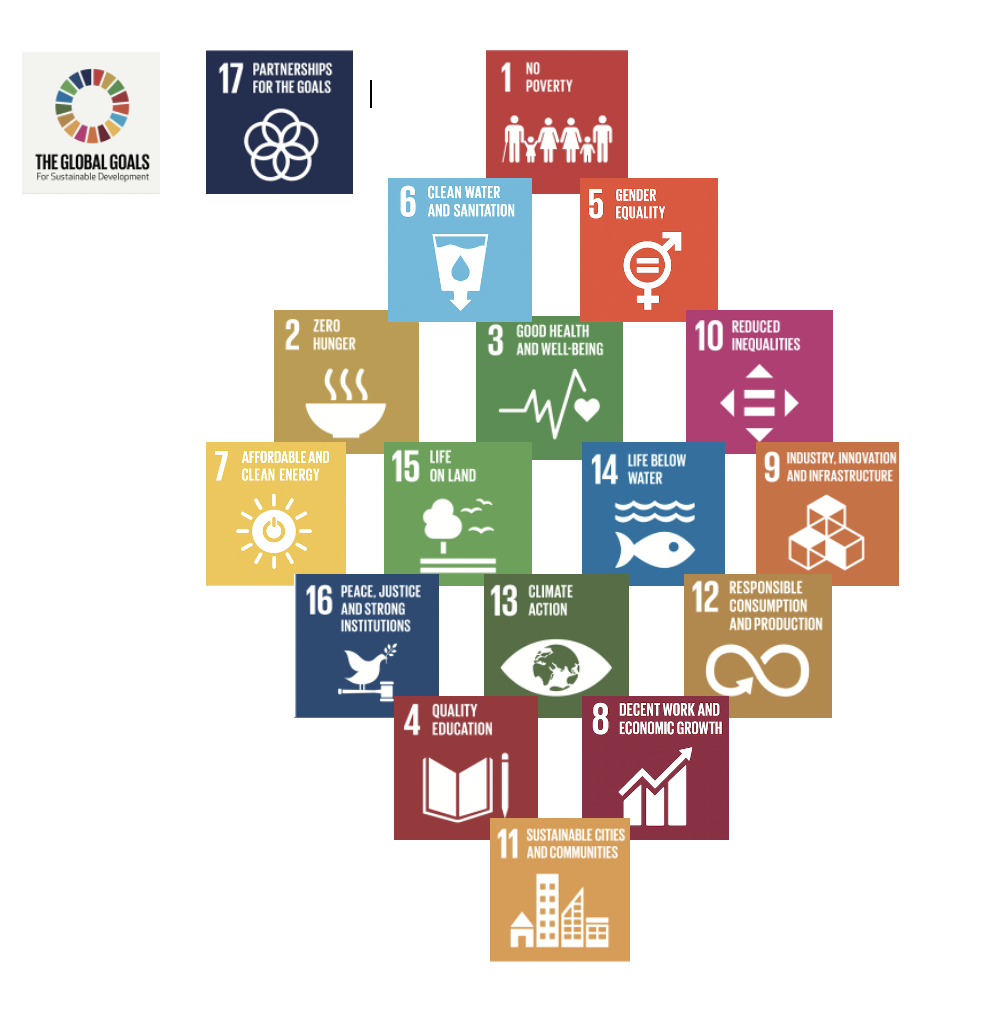
I have to say that this was quite a challenge to rank the SDGs in any sort of order. There are some similarities and differences in the way I decided to rank them compared to my colleagues. I think we all had a similar thought process in how to rank them with meeting certain needs before others. As I was making my decisions I consulted the BC Curriculum and looked at the larger themes it tackled as it moved through the grades. I also went back and looked at the decade of action and how it breaks down the decade into global, local, and people action. I also leaned into my personal beliefs to help me rank the SDGs. My thinking is that personal needs need to be met before we can move on to larger pieces or they will continue to pop up and probably get shoved ‘under the rug’. If Goal 1 was met, it then connects and builds on to Goal 6 & 5. Likewise with Goal 6 being met Goal 2 also follows. Which allows Goal 3 to flourish since people are getting their basic needs met. I see this as a scaffolding where each horizontal line builds on itself, but also the diagonal outside lines of the diamond. I believe that if we can’t have our human needs met, we won’t be able to meet any larger needs like Goal 13, 14, & 15. I see the goals ending with Goal 11 as that seems like the biggest Global goal we are all striving for. I also feel that Goal 17 is connected to each of the other goals which is why I put it at the top. I am very passionate about climate action and the ways we can improve at a local level. In the community I live changes have been made to encourage a larger amount of people to compost and reduce their waste, use alternate transport options and adapt the city to be more pedestrian friendly. I am excited to see the continued changes my city will make in the coming years.
Module 4
Provocations as Learning Resources
Theme: Gender Equality SDG #5
Concept-Based Inquiry Questions: How is gender equality changing for the LGBTQIA2S+ community and beyond? What does gender equality look like for the LGBTQIA2S+ in school communities?
Provocation
While researching I came across a video called “UN Free & Equal: The Lesson”, a short silent video that conveys a message about the systemic discrimination LGBTQIA2S+ people have felt. I felt this video would stir more student questions and get them talking about what has or hasn’t changed in this community, and how it looks like within our school community. I would also pair watching this video with reading My Shadow Is Pink and My Shadow Is Purple by Scott Stuart to guide discussions and explore our own selves. Since both books and the video relate to diversity, inclusion, self-love, gender identity, and being your true self, it connects to our core competencies, and ELA 6. I also think I would have students explore their own ‘shadow’ and what it looks like and to share further questions they have through at art activity and personal reflection.
Works Cited
UN Human Rights. “UN Free & Equal: The Lesson.” YouTube, YouTube, 2 Mar. 2017, https://www.youtube.com/watch?v=iMwvdz2Yvl0. Accessed 5 Mar. 2024.
Ameba Productions and Distribution. “My Shadow Is Pink by Scott Stuart – Official Read Along.” YouTube, YouTube, 12 Oct. 2021, www.youtube.com/watch?v=tEnOdHNQYV8. Accessed 5 Mar. 2024.
Reading Rocket. “My Shadow Is Purple Read Aloud Book with music by Scott Stuart.” YouTube,Youtube, 17 May 2022, https://www.youtube.com/watch?v=0pjqJ2t1qQw. Accessed 5 Mar. 2024.
Causes & Consequences of Poverty
This is a mind map I created after completing course readings on ideas that resonated with me on the causes and consequences of poverty.

Module 6
Our Educational Responsibility
I was tasked to evaluate how my school district is doing regarding the SDGs. I created this document that describes what the district is doing through teaching and student life, community impact, global outreach, and administration and operations.